In my last post, I talked about how adjusting just one thing…
…an offer, a service, a package, can create a ripple of knock-on effects you weren’t expecting.
But I’m not one to leave you hanging.
So here’s my favourite thing, right now, for keeping your messaging and content on track. And it’s genuinely simple.
STEP 1
To try it, you need something like a picture. A cuddly toy. An ornament. A cat, if they’re up for it.* Basically, something that you can speak aloud to, every time you are creating new copy or written content. It works best if this is the same thing each time.
*Dogs not recommended. They’ll want to get involved.
BLOG SERIES: THREADS
The Tangled Business Series
STAGE
Prevention
READ TIME
3 mins
But first, you need to answer the question – what’s your role.
STEP 2
Not who they are. Not their demographics or their pain points. But where you stand in relation to them — and what that sounds like.
Because that’s your crib sheet. That’s the thing you’re measuring your new content against.
Mine changed recently. I moved from working mostly with newer founders — people in their first couple of years, finding their feet. My role there was to be a guide, someone slightly ahead, showing the way, reassuring the nervous.
Now I work mostly with more established founders. Two or more years in, some scar tissue, and a few hard-won lessons. My role has changed – now I’m a peer. Someone who gets it because I’ve lived it too. Less “don’t worry, here’s how” and more “you know when…”
My business evolved, and so did my audience, which created a completely different dynamic.
And a completely different language.
The final step is to read it out loud

STEP 3
But before you read it out loud, ask yourself one thing: What role am I speaking from here? This is where you crib sheet comes in from step 2. I look at mine first, it says:
PAST – guide to nervous beginners — reassurance, explanation, showing the way. NOW – peer to established founders — recognition, shared experience, the nod.
And then I read the new words out loud to my vase.
- Not to check for typos.
- Not to smooth the grammar.
- But to ask — does this sound like I’m talking to the right person?
- Am I assuming the right things about what they already know, what they’ve already tried, what they’re tired of hearing?
- And most crucially, is it the same person as the last time I spoke aloud to my vase?
Sometimes it’s obvious immediately. Sometimes it takes a second read.
But you hear it. You always hear it before you see it.
Why this matters
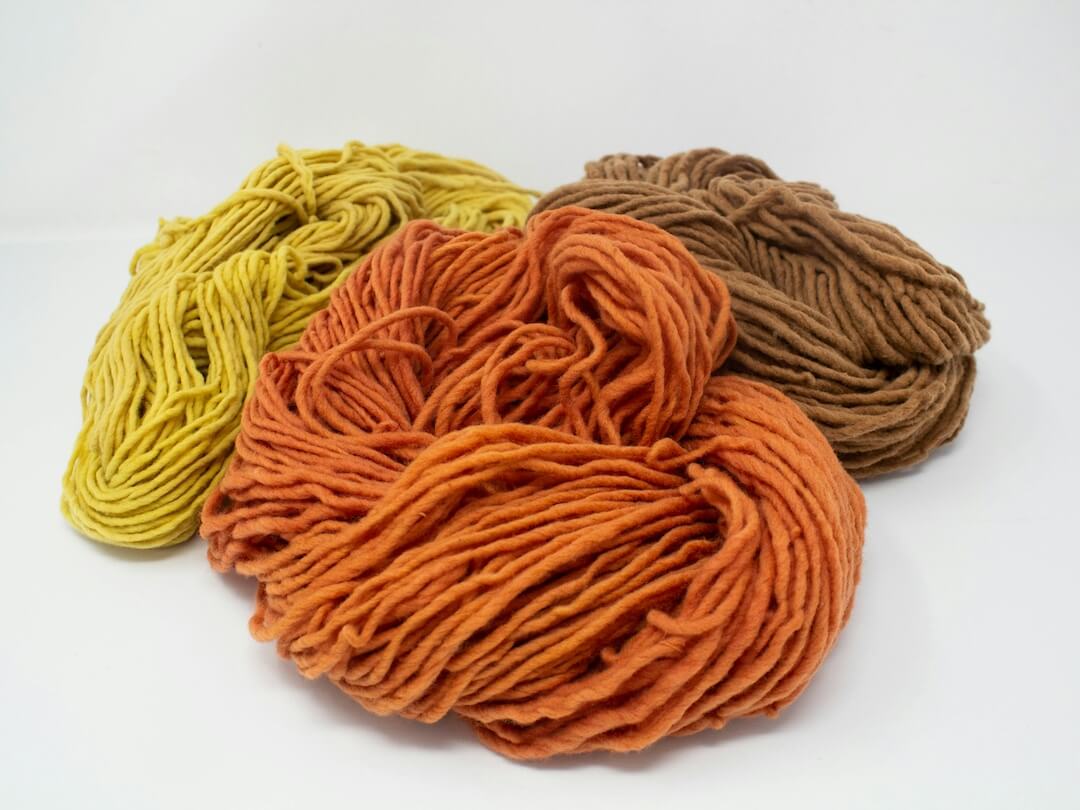
Remember the tangled jumper from Post 1?
This is one of the quietest ways a thread gets pulled. Not a big pivot. Not a dramatic rebrand. Just a few pieces of content written for a slightly different person, sitting alongside everything you wrote before.
The people who were your people start to feel like maybe they’re not anymore. And the new people you’re trying to reach aren’t quite sure you’re talking to them either.
One clear sense of your role. A few minutes of reading aloud. And one question – am I speaking to my person? It won’t untangle everything. But it’ll stop new knots from forming.
I made you a person
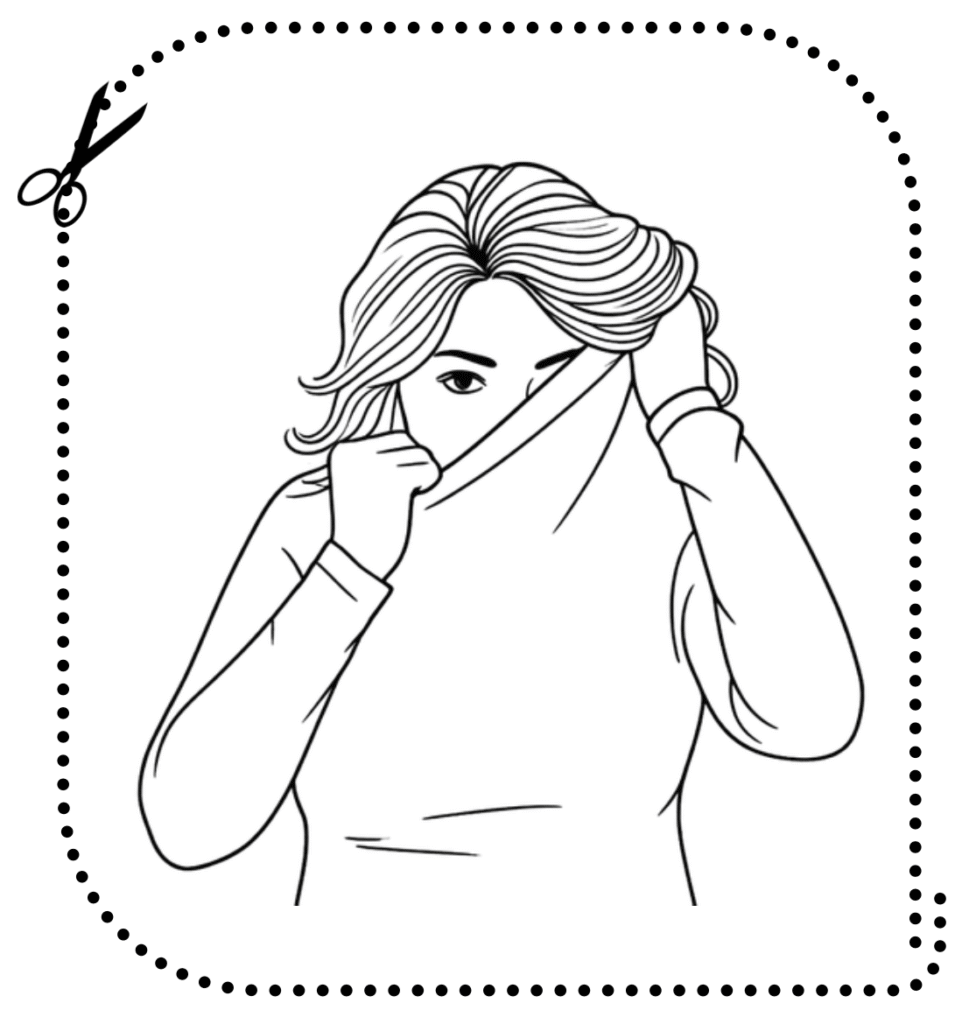
A printable desk prop — write your role on them, fold along the line, and prop them up against your thing. So every time you sit down to write, your person is already there waiting.
Download Your Person, pop your name and email below and I’ll send them straight to your inbox.
The Tangled Business Series
More posts from this series


back to the blog